Open Face Chinese Poker Tips That Actually Pay Off at the Table
Most Aussie card players reckon they’ve seen every twist on poker until they sit down with eleven cards and no community board. Open Face Chinese Poker tips aren’t about chasing a lucky river card; they’re about managing the hand you’ve already been dealt across three separate rows. The game rewards patience over bravado, and anyone who’s spent an arvo grinding online or over a kitchen table knows the difference between a solid layout and a messy one comes down to early decisions. If you’re weighing up where to sit down and play properly, the pokies.net login for Australia gets you into a room where the stakes and software both feel familiar before you even place your first bet.
What Separates a Workable Hand from a Messy One
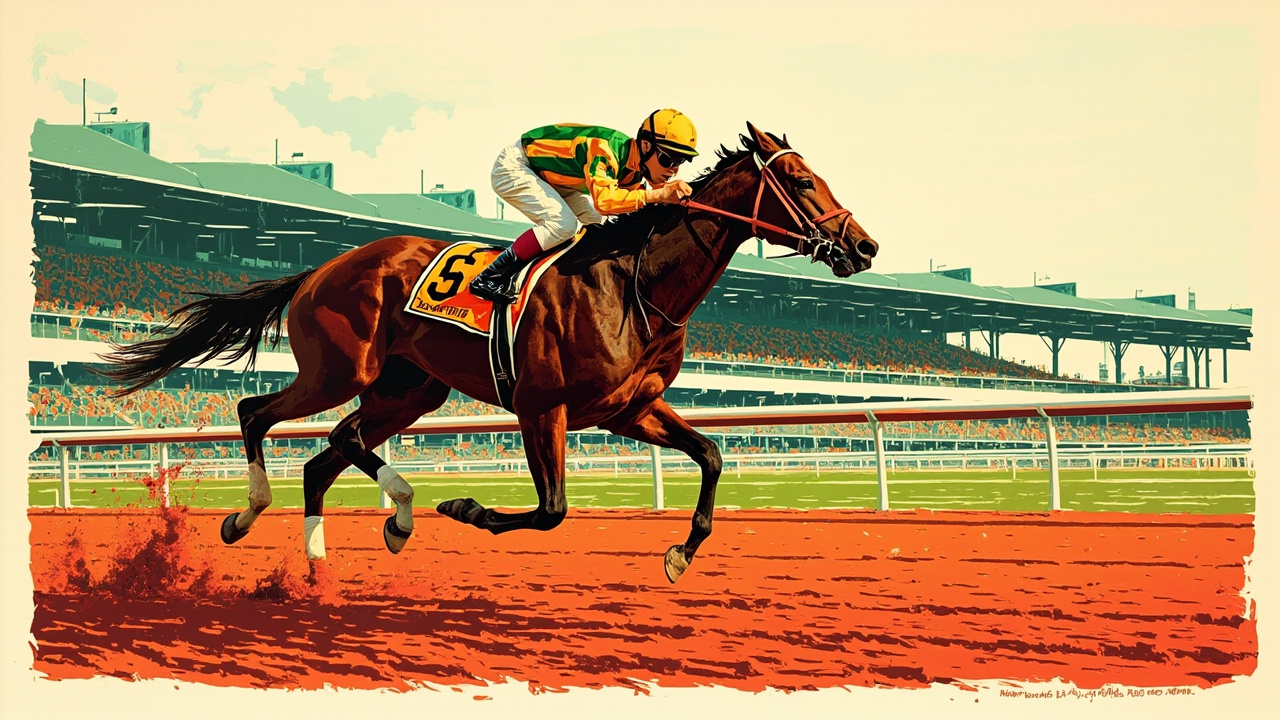
The real focus here is how you arrange those eleven cards without the luxury of drawing more. In Open Face Chinese Poker, you lay cards face-up one at a time into a front, middle, and back row, and once a card goes down it stays put. That constraint changes everything. A player who treats the front row like a afterthought will watch a perfectly good middle hand collapse because the back row got greedy. The discipline is in sequencing: you’re building three hands simultaneously, and the back row has to beat the middle, which has to beat the front. Miss that hierarchy and your points evaporate fast.
What keeps the game playable is the scoring structure. You don’t need a royal flush in every row to walk away with something; you collect points for each row that holds its shape, and you pick up bonus points when all three rows land as qualifying hands. That means a conservative front row with a pair or two can still carry the session if the middle and back rows cooperate. The mistake plenty of newcomers make is chasing high cards in the front row early, then scrambling to fill the back row with whatever’s left. A better habit is to treat the first three or four placements as a skeleton – front row gets your lowest playable cards, middle rows up, and the back row reserves the strongest cards you’ve drawn. It’s not glamorous, but it keeps you in the game when the deck turns quiet.
This layered approach ensures that even casual sessions remain rewarding, keeping the tension high without demanding perfection. For players looking to bridge the gap between casual fun and serious strategy, visiting the pokies.net login for australia can provide further insights into optimal play. You can find more detailed breakdowns on this topic at https://bloggingunearthed.com/.
The site itself keeps the layout clean and the bet sizes sensible, which matters because a cluttered table distracts you from the sequencing you actually need. Registration takes a few minutes, the wallet supports AUD so you’re not watching exchange rates eat into your stake, and the mobile view handles the drag-and-drop card placement without turning it into a fiddly exercise. Support ticks over via live chat during busy hours, and the loyalty points stack toward table stakes rather than flashy perks that never quite land. It’s the sort of setup that lets you focus on the cards instead of the interface, which is exactly what this game asks for.
How to Read the Table Before You Lay a Card
Reading the Draw Before You Commit
The first few cards you see set the tone for the whole hand, and the players who survive longest are the ones who resist the urge to lock in a row too early. You get eleven cards total, and you’re laying them one at a time, so the order you draw them in matters as much as the cards themselves. A run of low cards early doesn’t mean the hand is dead; it means your front row is taking shape and you should hold the stronger cards back for the middle and top rows. The opposite applies when you pull a couple of high cards in the first three draws – that’s your cue to reserve them for the back row and let the front row settle with whatever steady cards come next.
There’s a quiet discipline in not overcommitting before you’ve seen at least half the deck. I’ve watched players lock a front row with two mediocre cards and then panic when the middle row needs a kicker that never arrives. A steadier approach is to treat the first four placements as provisional: put cards where they make the most structural sense, but keep one slot in each row flexible until you’ve seen enough of the draw to know what’s actually coming. It slows the hand down, sure, but Open Face Chinese Poker isn’t a race. The players who win consistently are the ones who let the deck tell them what shape the hand is taking, rather than forcing a shape onto the deck.
When to Fold Your Expectations and Play the Points
Not every hand is worth chasing a full-house bonus, and recognising that early saves you from bleeding points on a row that’s already compromised. The scoring rewards partial success – a front row that lands as a pair still picks up points, and a middle row that falls short of a queen-high still counts if it beats the front. The trap is treating every hand like it needs to be a showcase. Sometimes the smart move is to accept a weaker back row and protect the points you’ve already banked in the lower rows, especially when the draw has gone cold and the remaining cards aren’t cooperating.
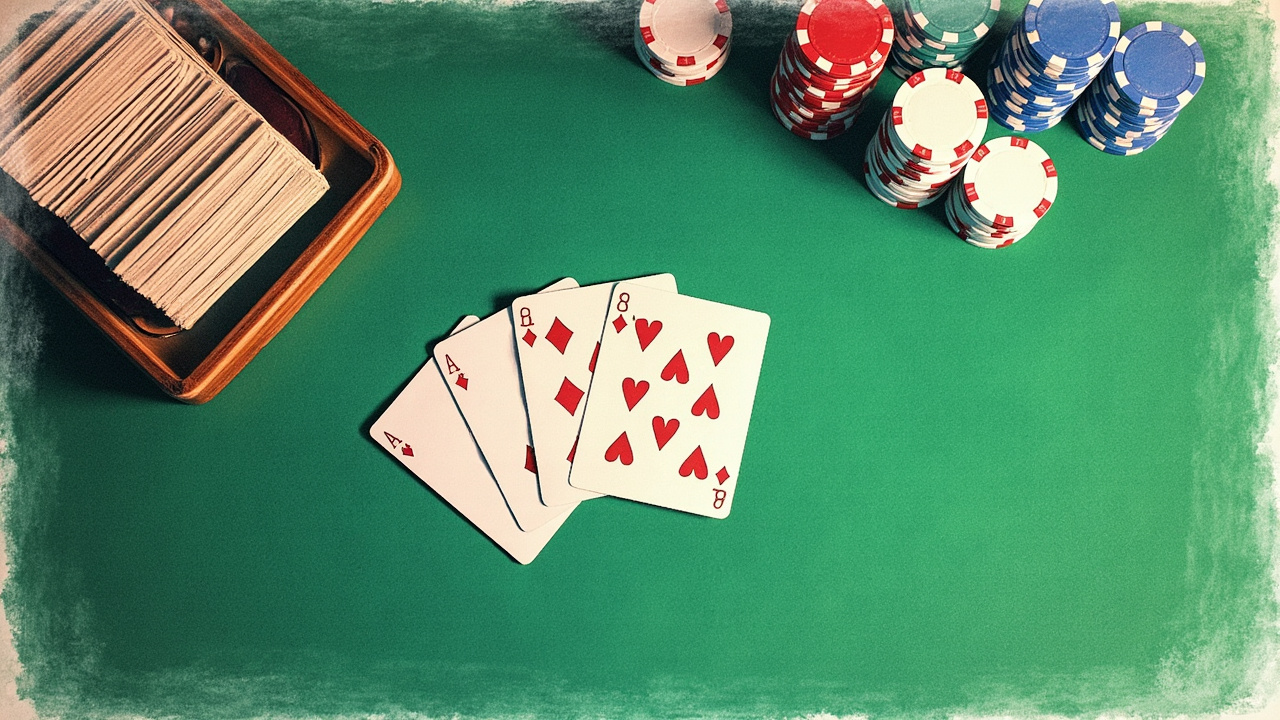
Blake Walsh, Lead Gaming Analyst, Great Southern Betting Review, puts it plainly: “Players who treat every hand like it needs a premium back row end up overcommitting early and scrambling the middle row when the draw turns quiet – the points are in the discipline, not the highlight reel.” That’s the kind of read that separates a steady session from a messy one. Georgia Reid, iGaming Regulatory Consultant, Tasman Gaming Partners, adds a different angle: “The game’s scoring structure rewards consistency over aggression, and anyone running a table should be measuring their own discipline against that, not against the occasional big bonus hand that skews the session.” Both views have weight – one leans on the practical cost of overreaching, the other on the scoring math that actually drives the result. You don’t have to pick a side; you just need to know which lens you’re using when the draw goes quiet.
Matching the Game to How You Actually Play
The decision here isn’t whether Open Face Chinese Poker is exciting – it is, in the way a careful hand of stud poker is exciting – but whether the pace and scoring suit the way you like to think at a table. If you’re the sort of player who wants a fast shuffle and a quick result, this game will feel slow and deliberate, and that’s fair. It asks for a different kind of attention: you’re tracking three rows at once, weighing the cost of a placement before you make it, and accepting that some hands are about holding your ground rather than running up the score. If that rhythm suits you, the game rewards it directly. If you’d rather sit down, put money in, and see a result in a few minutes, you’ll probably find yourself tapping the table wondering where the action went.
The practical fit comes down to stakes and session length. The bet sizes here sit in a range that lets you play a proper hand without turning it into a stretch, and the AUD wallet means you’re not mentally converting every win and loss into another currency. Mobile play handles the card placement cleanly enough that you can run a hand on a lunch break or a slow arvo without the interface getting in the way, but the game still asks for your full attention when you’re laying cards. Support is there if a hand doesn’t register the way you expected, and the loyalty points stack toward table stakes rather than dangling perks that never quite land. It’s a game for players who want to think, not for players who want a quick rush.
If you’re weighing whether to sit down, the question to ask yourself is whether you’re comfortable making a call with incomplete information and living with it for the rest of the hand. Open Face Chinese Poker tips all come back to that: sequence your rows early, don’t overcommit the back row before the draw settles, and take the points a partial hand gives you instead of chasing a bonus that may not arrive. The players who do that consistently are the ones who walk away from a session feeling like they played the game properly, regardless of whether the cards handed them a standout hand.
Play deliberately, watch the draw before you lock a row, and treat the points you actually earn as the win rather than the highlight hand you hoped for.